

Why Do Garage Doors to Fail? 7 Common Causes Explained
Garage doors are essential components of residential and commercial properties, providing security, convenience, and protection from the elements. However, like any mechanical system, garage doors can develop problems that interfere with their performance. From worn components to electrical malfunctions, various issues can prevent a garage door from opening, closing, or operating safely.
Understanding the most common causes of garage door failure can help property owners recognize warning signs before minor problems become expensive repairs. While some issues develop gradually, others appear unexpectedly and require immediate professional attention. Working with an experienced garage door repair company can help identify the underlying problem and determine the most appropriate solution.
1. Worn or Broken Garage Door Springs
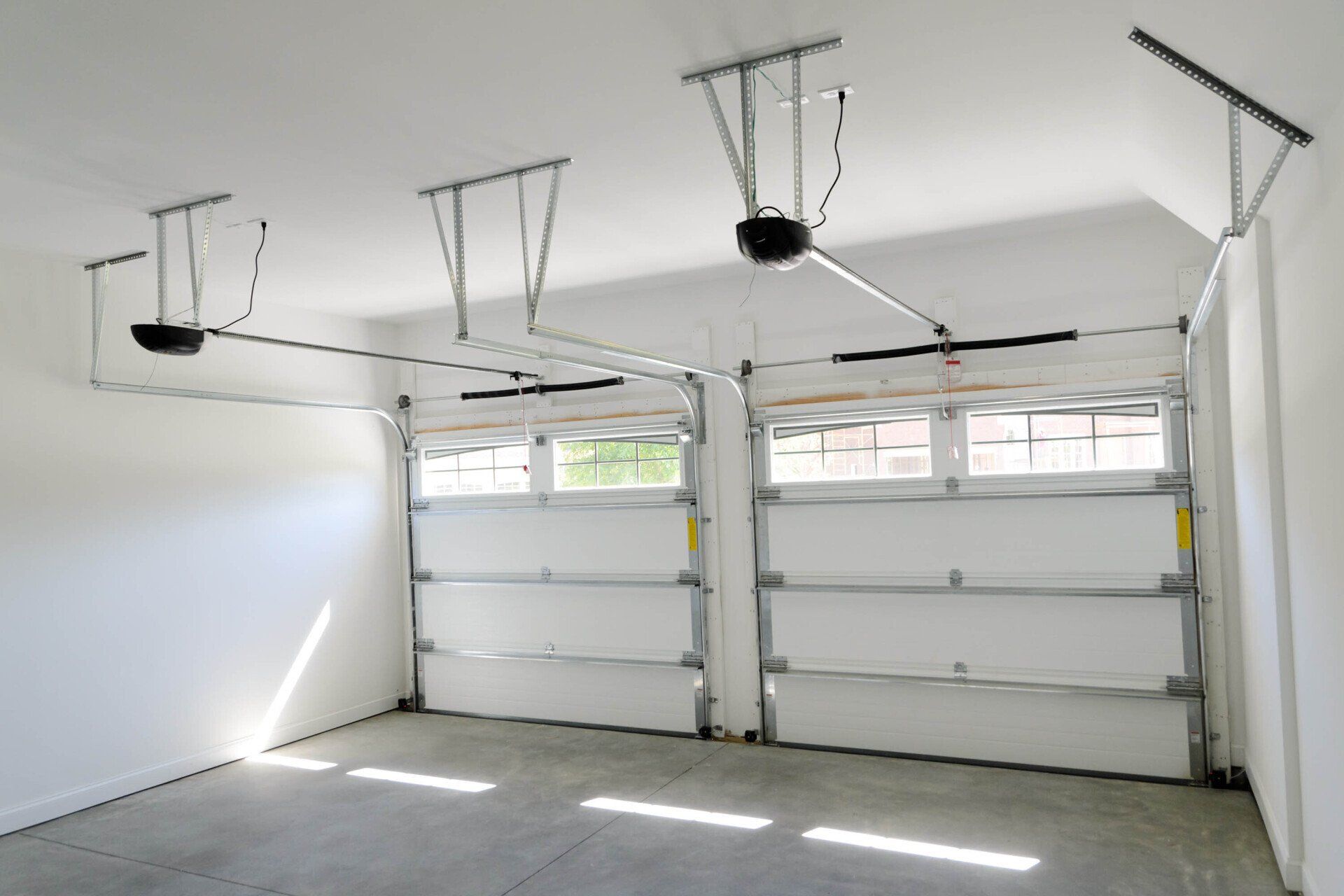
Garage door springs play a critical role in balancing the weight of the door and supporting smooth movement. These components experience significant tension whenever the door opens or closes. Over time, repeated use causes the metal to weaken, increasing the likelihood of spring failure.
When springs begin deteriorating, homeowners may notice unusual noises, uneven movement, or difficulty opening the door. A broken spring can prevent the door from functioning entirely, leaving vehicles trapped inside or exposing the garage to security concerns.
Because springs operate under considerable tension, damaged components present serious safety hazards. A professional garage door repair company can evaluate spring conditions and determine whether replacement is necessary. Professional technicians use specialized equipment to address these problems while protecting surrounding components from additional damage.
2. Damaged or Misaligned Garage Door Tracks
Garage door tracks guide the door as it moves between open and closed positions. When these tracks become bent, damaged, or misaligned, the door may struggle to move smoothly along its intended path.
Track problems can develop from accidental impacts, gradual structural movement, or excessive pressure caused by other malfunctioning components. Even relatively minor alignment issues can create friction that places additional stress on rollers, cables, and the garage door opener.
Common warning signs include scraping noises, jerky movement, visible gaps between components, or a door that appears crooked while operating. Ignoring these symptoms can eventually cause the door to become stuck or move unpredictably.
A qualified garage door repair company can assess track alignment, identify structural damage, and recommend appropriate repairs. Addressing these problems promptly helps protect the entire garage door system and reduces the likelihood of additional mechanical failures.
Professional evaluations are especially important when track damage affects the door’s stability or creates potential safety risks.
3. Malfunctioning Garage Door Openers
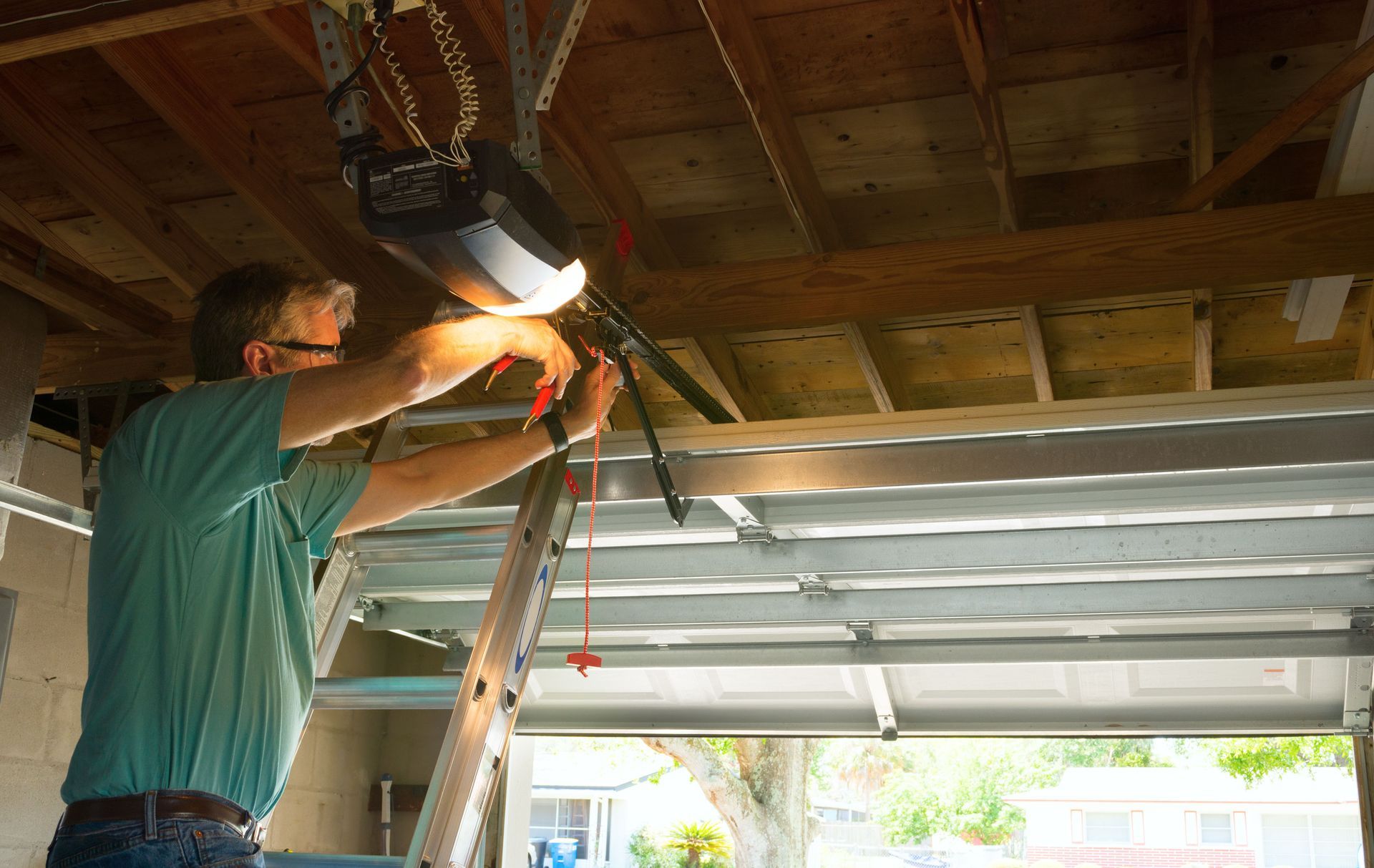
Garage door openers provide the automated functionality that makes modern garage systems convenient. However, these devices contain motors, electrical connections, gears, and control mechanisms that can deteriorate through regular use.
An opener may begin malfunctioning because of worn internal components, electrical problems, overheating, or communication issues between the remote control and receiving system. These problems can cause inconsistent operation, unexpected stopping, or complete failure to respond.
Homeowners sometimes assume the opener is responsible whenever a garage door stops working. However, mechanical problems involving springs, tracks, or rollers can produce similar symptoms.
An experienced garage door repair company can distinguish between opener malfunctions and other system failures. Accurate diagnosis helps prevent unnecessary component replacements and ensures that repairs address the actual source of the problem.
Professional servicing may also reveal whether an aging opener lacks important safety features or requires replacement to support dependable operation.
4. Frayed or Broken Garage Door Cables
Garage door cables work alongside the spring system to support controlled movement and maintain proper balance. These cables endure considerable mechanical stress, making them vulnerable to wear, corrosion, and deterioration.
Over time, cable strands may begin fraying or weakening. Moisture exposure can accelerate corrosion, while improper alignment may cause uneven tension that increases wear.
When cables become damaged, the garage door may hang unevenly, produce unfamiliar noises, or experience difficulty moving. A complete cable failure can create dangerous conditions because the door may lose essential support.
These problems require professional attention rather than continued operation. A reliable garage door repair company can examine cable conditions, evaluate related hardware, and determine whether damaged components need replacement.
Addressing cable deterioration early can help prevent additional stress on springs, tracks, and other connected mechanisms. It also supports safer operation and reduces the possibility of sudden mechanical failure.
5. Worn or Damaged Garage Door Rollers
Garage door rollers allow the door to travel along its tracks with minimal resistance. Although these components are relatively small, they contribute significantly to smooth and quiet operation.
Repeated movement gradually wears down roller surfaces and internal bearings. Exposure to dust, moisture, and environmental debris can accelerate deterioration, particularly when components receive insufficient professional maintenance.
Damaged rollers may produce grinding, squeaking, or rattling noises. Homeowners might also notice shaking, uneven movement, or increased resistance whenever the garage door operates.
As roller conditions worsen, additional strain can develop throughout the system. The opener may work harder to move the door, while tracks and other hardware experience unnecessary friction.
Professional technicians can evaluate roller wear and determine whether replacement would improve performance. Maintaining properly functioning rollers helps preserve consistent movement and reduces stress on surrounding components.
Prompt attention to unusual operating noises can prevent relatively manageable roller problems from developing into more extensive mechanical damage.
6. Faulty Safety Sensors and Electrical Connections
Modern garage doors rely on safety sensors and electrical components to support automatic operation. These systems help detect obstacles and prevent the door from closing when something blocks its path.
However, sensor misalignment, damaged wiring, electrical interruptions, or component deterioration can interfere with normal functionality. When problems develop, the garage door may reverse unexpectedly, refuse to close, or respond inconsistently to commands.
Environmental conditions can also affect electrical performance. Moisture exposure, accumulated debris, and temperature fluctuations may contribute to unreliable connections or sensor malfunctions.
A professional garage door repair company can evaluate electrical components and determine whether the problem involves sensors, wiring, control systems, or another mechanical issue.
Proper diagnosis is particularly important because safety features must function correctly to protect people, pets, vehicles, and stored belongings.
Professional repairs help restore dependable operation while ensuring that essential protective mechanisms continue performing as intended.
7. Aging Components and Structural Deterioration
Garage doors experience continuous exposure to changing temperatures, moisture, sunlight, and everyday mechanical stress. Over time, these conditions can weaken panels, hardware, seals, and structural connections.
Visible rust, cracked panels, warped sections, and deteriorating hardware may indicate that the door is approaching the end of its useful lifespan. Structural damage can also affect alignment, insulation, security, and overall performance.
According to HomeGuide, garage door replacement is generally advisable when a door is 15 to 20 years old, shows noticeable deterioration such as rust, cracks, or dents, or continues experiencing operational problems despite previous repairs.
Although certain problems can be corrected through targeted repairs, extensive deterioration may make replacement the more practical long-term investment.
An established garage door repair company can evaluate the overall condition of the system and explain whether repairing individual components or installing a replacement door offers better value.
Professional recommendations help homeowners consider safety, functionality, appearance, and long-term reliability before making a decision.
Understanding the Importance of Professional Garage Door Repairs
Garage door failures can result from mechanical wear, structural deterioration, electrical problems, or damaged safety components. Although symptoms may appear similar, identifying the underlying cause requires careful evaluation of the entire system.
Ignoring unusual noises, inconsistent movement, or visible damage can allow existing problems to worsen. Timely professional attention helps reduce additional wear, maintain reliable operation, and protect the safety of everyone using the garage.
Working with a knowledgeable garage door repair company also helps homeowners understand when repairs remain practical and when replacement provides greater long-term benefits. Professional assessments support informed decisions that preserve convenience, security, and dependable performance.
If your garage door is making unusual noises, operating inconsistently, or showing signs of damage, Touchstone Overhead Door Services is ready to help. We understand how important a dependable garage door is to your property’s safety and convenience. Our team can assess your concerns, explain available repair options, and help restore reliable functionality. Contact us today to discuss your garage door problems and learn how we can help keep your system operating safely and efficiently.
Share On: